Dance Activity Guide
Activity Overview
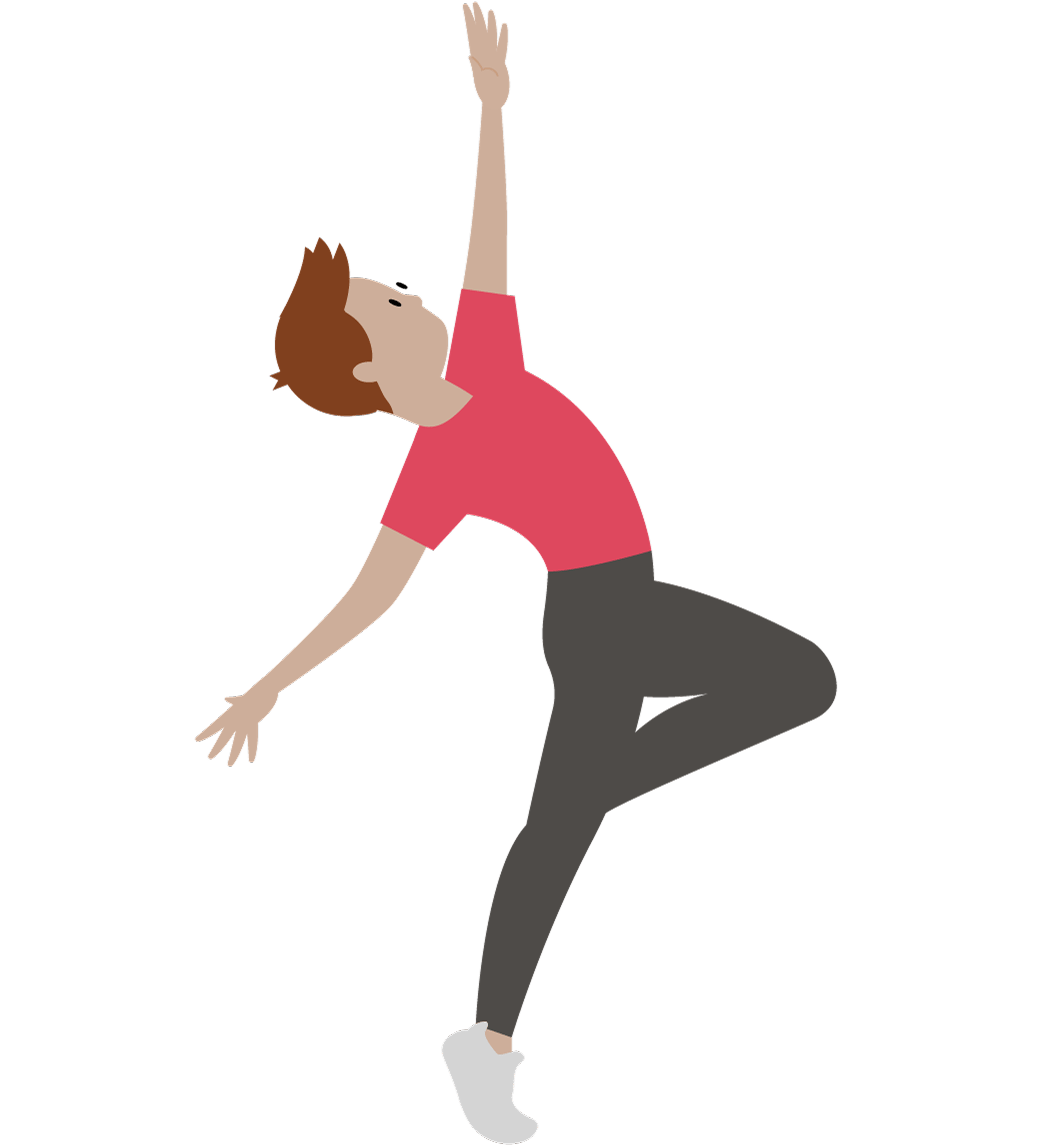
Dance in UK primary schools plays a central role in developing children’s physical literacy, coordination, rhythm, and expressive skills. Delivered through creative, structured, and inclusive lessons, it introduces pupils to fundamental movement patterns while encouraging freedom of expression and imaginative thinking. Dance also nurtures confidence, collaboration, and emotional wellbeing, helping children explore ideas, tell stories through movement, and take pride in their own creativity. It supports wider health and wellbeing outcomes by promoting physical activity, body awareness, and a positive relationship with movement.
Below you’ll find key information on teaching dance for primary school-aged children, a free dance lesson plan from Key Stage 1, a second free dance lesson plan from Key Stage 2, and a range of free dance resources suitable for teaching at Foundation Stage, Key Stage 1 and Key Stage 2.
Key Dance Information
Age Range
Dance is commonly taught across each of the key Primary School stages.
✅ Foundation
✅ Key Stage 1
✅ Key Stage 2
Five Basic Dance Action Categories
The five basic dance action categories are Travel, Turn, Gesture, Flight, and Stillness. These are foundational movement types used in dance. This illustrated resource provides teachers with a helpful guide to each category.
Free Dance Lesson Plans & Units of Work
Year 2 Dance Unit 1
Apply facial expressions to music showing emotions such as fear and anger. Begin to use spatial and dynamic choices in work. Offer feedback and respond to feedback
Year 2 Dance Unit 1 Lesson 2
- Accurately use basic actions to move as a polar bear
- Demonstrate a polar bear phrase responding to the music and using mean and angry facial expressions
- Tell a partner if they used mean/angry expressions and if they remembered the polar bear phrase accurately
We are Learning: How to move like a polar bear
Activity: Polar Bear phrase
Year 4 Dance Unit 1
Work to develop a solo secret agent phrase and explore relationship variations through trio dance, such as action and reaction. Practice and perform a variety of different formations.
Year 4 Dance Unit 1 Lesson 2
- Can demonstrate control and precision to refine the quality of their movements
- Can use performance skills such as characterisation and focus
- Can frequently offer constructive feedback and make some improvements to their own work
We are learning: how to remember, perform and master an agent phrase
Activity: Agent Phrase (Middle)
Paid Subscriber Content
At the The PE Hub, we offer 84 lesson plans for Dance, spanning Foundation Stage, KS1 and KS2. Lesson Plans are grouped into manageable units of work and designed to make it straightforward to teach a holistic dance curriculum.
All our lesson plans come with detailed downloadable resources as standard. We have more than 260 resources for dance available to subscribers.
Also available to subscribers for an additional annual fee is our Royal Ballet School programme. Developed in partnership with the world-renowned Royal Ballet School, the programme The PE Hub subscribers access to an additional 24 lesson plans and 106 teaching resources, with a focus on in-depth instruction and video content.
Dance FAQs
Is primary PE dance part of the national curriculum?
Yes, dance is a key part of the current national curriculum at both Key Stage 1 and Key Stage 2. For Key Stage 1 the national curriculum specifies that "pupils should be taught to... perform dances using simple movement patterns". For Key Stage 2 the national curriculum specifies that "pupils should be taught to... perform dances using a range of movement patterns."
Is dance taught at Foundation / Reception level?
Yes, dance is taught to Foundation / Reception aged children. With a range of informal forms and inclusive activities, dance is an ideal activity to teach to younger children. Typical teaching goals for Foundation / Reception dance serve as an introduction to the activity, e.g. recognise actions can be performed to music, copy, create, repeat and perform some basic actions to music.
What are the fundamental movement types in dance?
The fundamental movement types in dance are Travel, Turn, Gesture, Flight, and Stillness. We provide a free helpful illustration resource on the fundamental movement types to guide Primary PE teachers who are teaching dance to their students.
How do primary-school aged children benefit from dance?
Dance helps primary-age children build coordination, rhythm, and physical confidence through creative movement. It also boosts self-expression and wellbeing while encouraging teamwork and enjoyment of physical activity.
Access all our dance
lesson plans today
Sign up for a subscription to The PE Hub to access all our dance lesson plans, covering Foundation, KS1 and KS2