Physical Education plays a vital role in helping children develop coordination, confidence, teamwork, and a lifelong love of movement. Whether you're a PE lead, school buyer, or teacher, choosing the right equipment can make lessons more engaging, inclusive, and effective.
In this guide, we’ll explore the essential PE equipment for primary schools with practical advice on choosing safe, high-quality resources.
Essential PE Equipment - The Basics
Before introducing complex activities, every primary school should have a solid foundation of core PE equipment. These items are versatile, easy to use, and suitable for a wide range of ages and abilities.
Balls for Every Activity
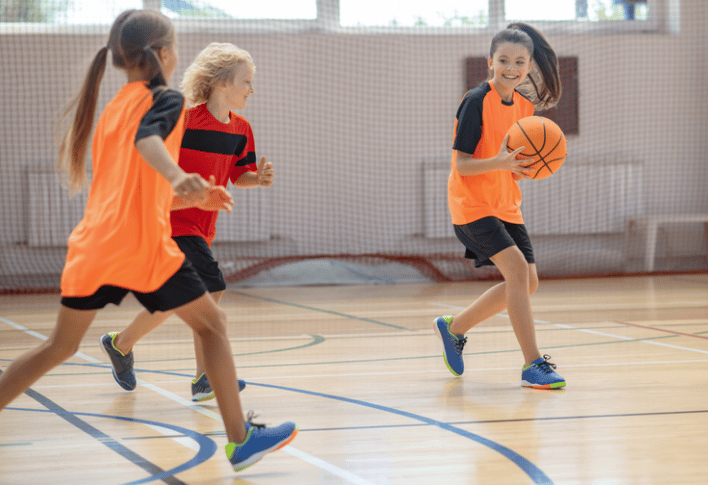
Balls are at the heart of most PE lessons. A varied selection ensures you can cater to different sports and skill levels:
· Foam balls for younger pupils (safe and lightweight)
· Footballs for team games
· Netballs and basketballs for coordination and passing drills
· Tennis balls for throwing and catching skills
· Hockey balls – quickstick balls are larger so easier to play with for beginners
Cones and Markers
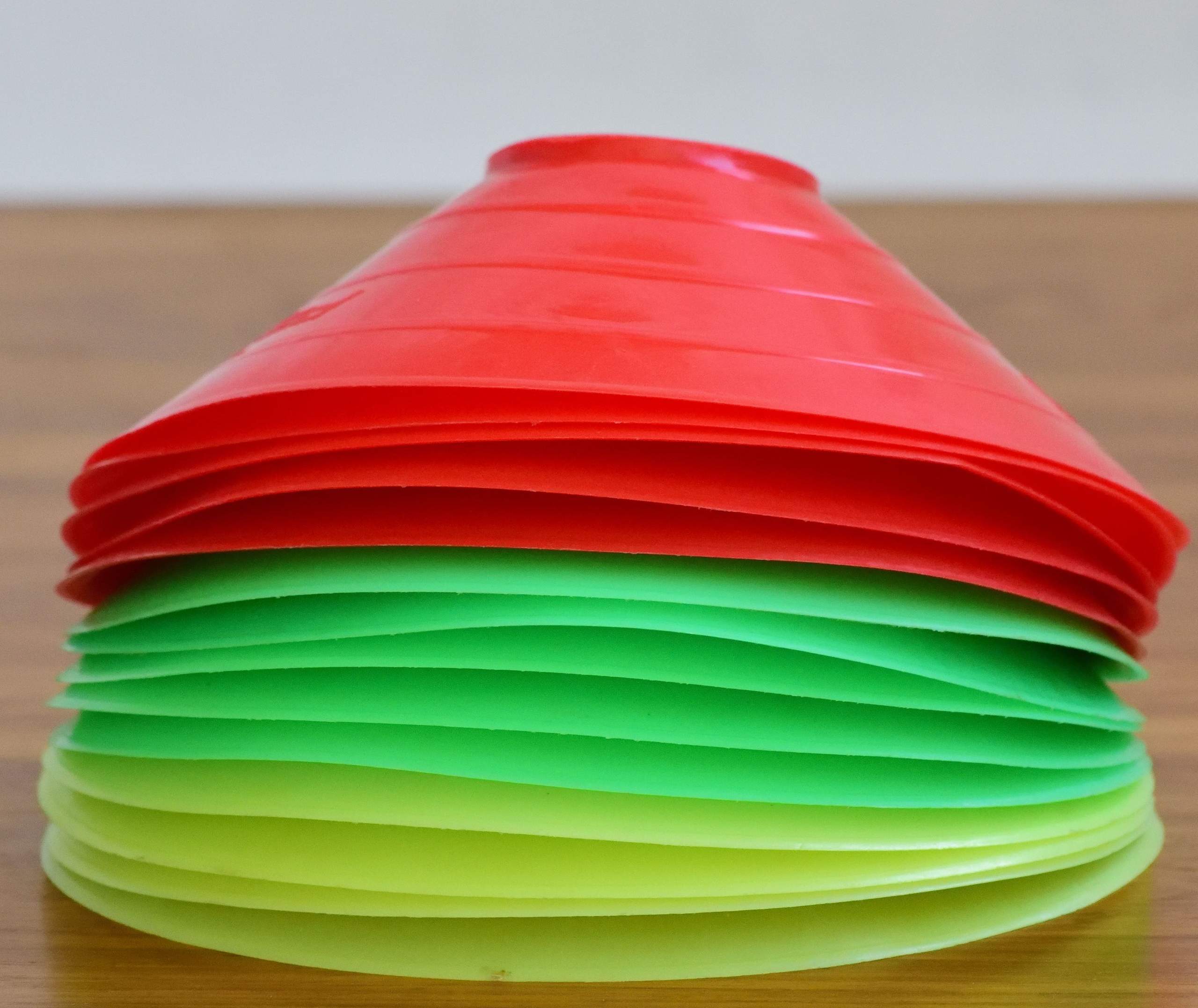
Cones are essential for:
· Setting boundaries
· Creating obstacle courses
· Organising drills and stations
Flat markers are particularly useful indoors where space is limited.
Skipping Ropes
Skipping ropes are excellent for:
· Cardiovascular fitness
· Coordination
· Individual or group activities
They’re also inexpensive, making them a great addition to any PE teacher supplies list.
Essential PE Equipment - Advanced Primary PE Equipment
Once you’ve covered the basics, adding more advanced equipment can elevate lessons and keep pupils engaged.
Gymnastics Equipment
Items such as:
· Mats
· Balance benches
· Vaulting boxes
These help develop balance, strength, and flexibility. They’re especially valuable for structured indoor PE lessons.
Agility and Training Equipment
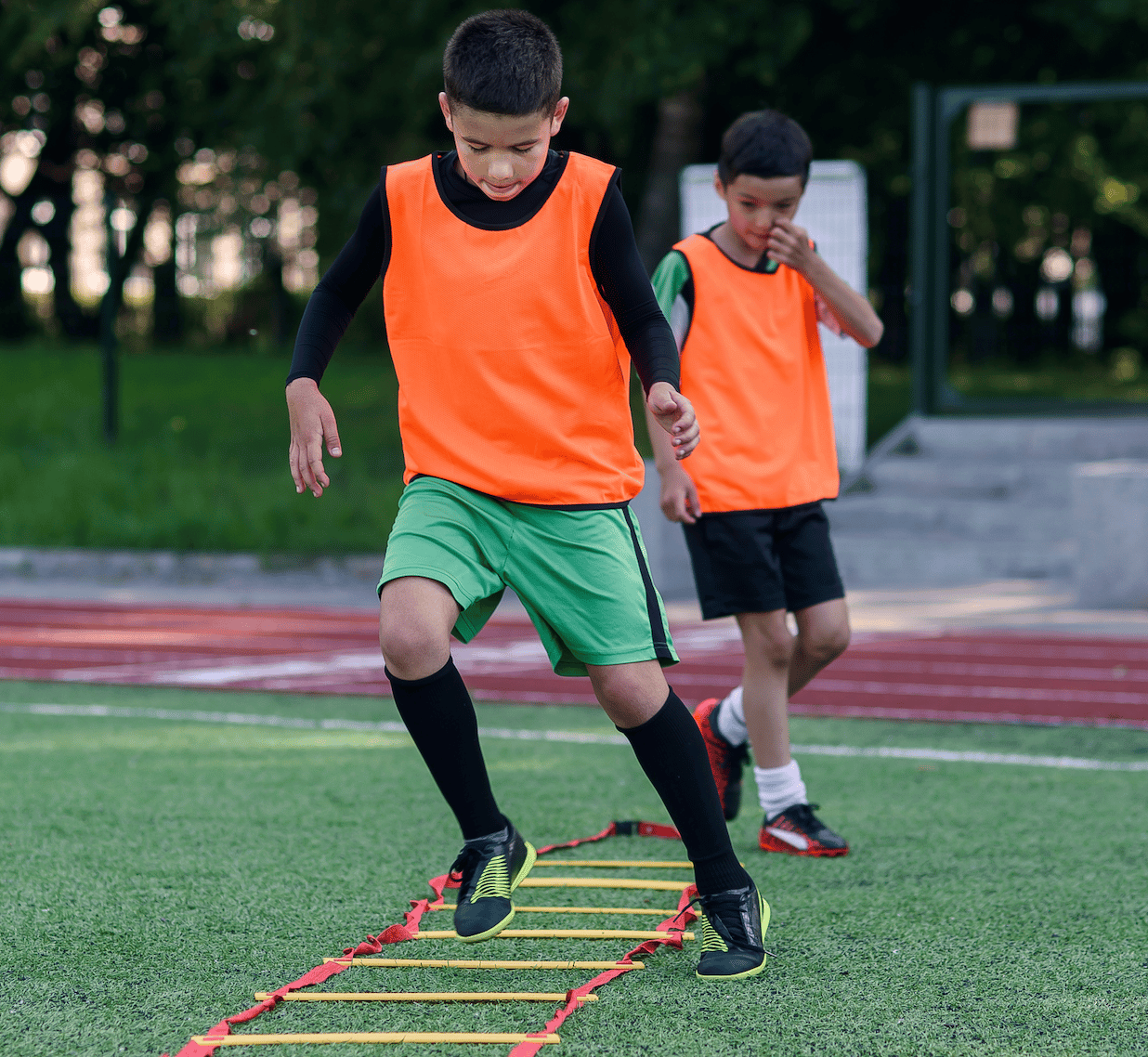
Agility ladders, hurdles, and reaction balls are ideal for:
· Speed development
· Coordination drills
· Sports-specific training
This type of fun PE equipment keeps sessions dynamic and challenging.
Parachutes and Group Play Equipment
Parachutes are a favourite in primary schools because they:
· Encourage teamwork
· Promote communication
· Make PE lessons fun and inclusive
They’re particularly effective for younger year groups.
Ten Items of Equipment Every Primary School Should Have
If you're building or refreshing your PE equipment for primary schools, here’s a quick checklist of must-haves:
1. Foam balls
2. Footballs
3. Cones and markers
4. Skipping ropes
5. Beanbags
6. Hoops
7. Agility ladders
8. Gym mats
9. Parachute
10. Stopwatches or timers
These items provide a strong foundation for delivering a broad and balanced PE curriculum.
For more guidance on choosing reliable suppliers, check out our Best PE Equipment Providers blog.
Safety First: Purchasing Suitable Equipment
When buying PE equipment, safety should always come first. Primary-aged children require equipment designed for their size, strength, and abilities.
Key Considerations
Age-Appropriate Design
Ensure the equipment is suitable for the age group using it. For example, lighter balls and lower hurdles reduce the risk of injury.
Durability and Quality
Invest in high-quality equipment that can withstand frequent use. Cheap alternatives may wear out quickly and pose safety risks.
Safety Certifications
Look for products that meet recognised safety standards, especially for gymnastics and climbing equipment.
Storage Solutions
Proper storage helps prevent accidents and keeps equipment organised.
Investing in the right PE equipment isn’t just about ticking boxes, it’s about creating engaging, safe, and inclusive experiences for children. From basic cones and balls to more advanced training tools, the right mix of equipment can transform your PE lessons.
Whether you're updating your PE teacher supplies or building a new programme from scratch, start with the essentials and grow from there.