UPDATED in 2026
7 Simple Ways to Improve Teaching PE Skills
Many PE lessons are energetic and fun, but are they building core PE teacher skills? Ofsted has recently highlighted that while engagement is high, pupils often need more support in skill development and sustained activity time. According to UK government guidance on high-quality physical education, effective PE should focus not just on activity but also on progression and skill mastery. If you’re wondering how to improve PE in your school, especially when it comes to teaching specific skills, you’re not alone.
Here’s a list of essential strategies every teacher should know to confidently deliver high-quality PE that supports skill development and pupil progression.
1. Know the Key Teaching Points
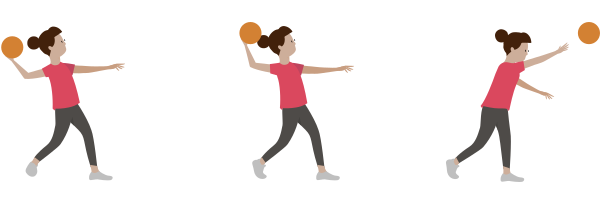
One of the first steps in how to do PE well is knowing the teaching points of each skill. Teaching points are the simple, memorable steps that break down a movement. For example, when teaching underarm throwing:
· Stand with one foot in front of the other
· Swing with the opposite hand to the front foot
· Release the ball towards the target
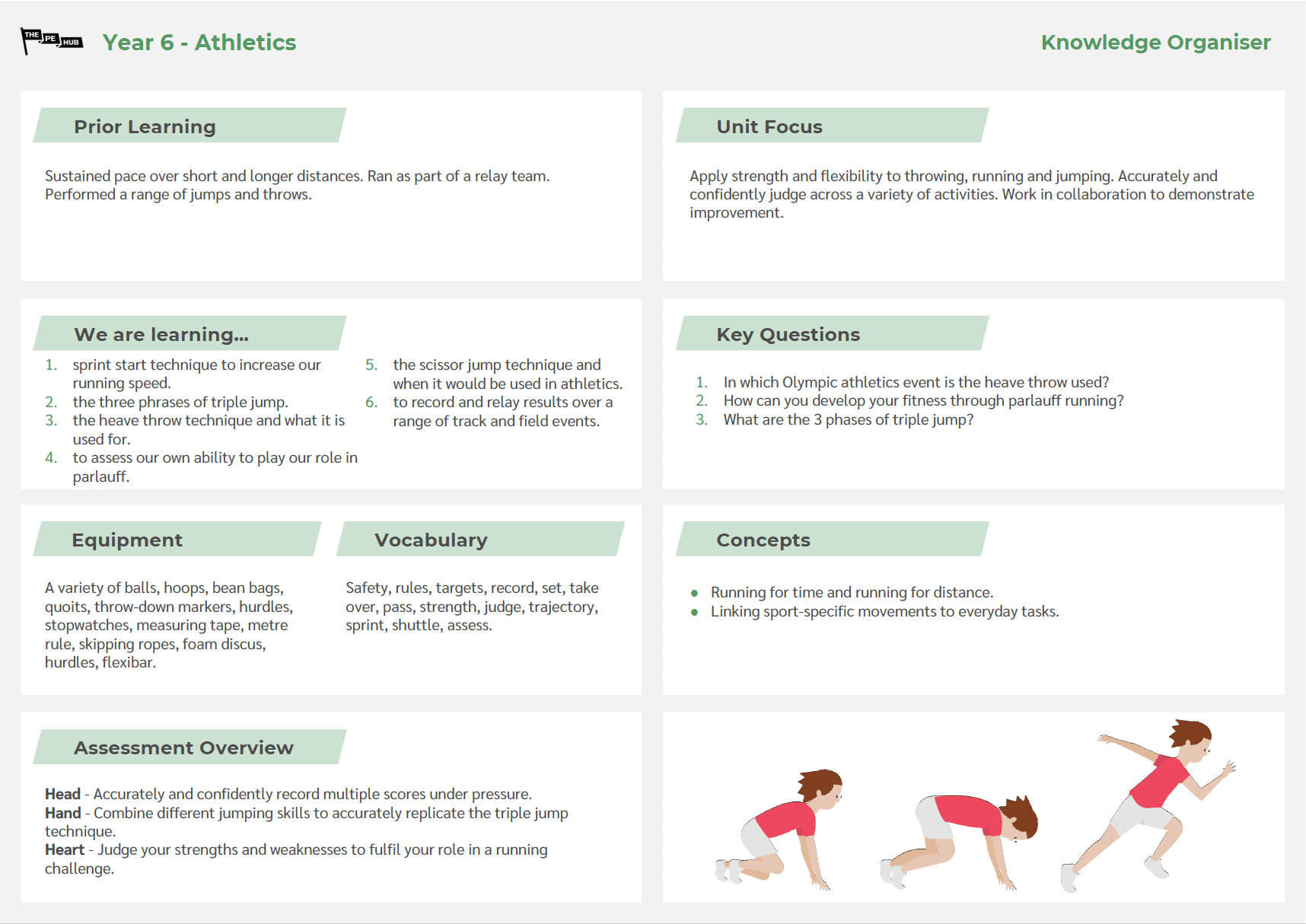
Children learn best with no more than three points at a time, allowing them to self-check and self-regulate. These skills required for a PE teacher help ensure pupils grasp the basics before refining their technique. You can explore more on breaking down skills in our Knowledge Cards.
2. Use Clear Teaching Methods
Understanding what teaching points are key is important, but so is knowing how to deliver them. Depending on the skill and context, different teaching methods can be used:
· Whole Practice - Teach the entire skill at once
· Part Instruction - Break the skill down into smaller parts
· Whole-Part-Whole - Demonstrate the full skill, then break it down, then practise the whole again
· Shaping - Modify the activity to fit the child’s stage of development
· Chaining - Teach the skill step-by-step in sequence
Using a range of approaches aligns with best practices outlined by the Association for Physical Education, which emphasises adaptive teaching for inclusive PE.
3. Keep Pupils Moving
A common pitfall in PE is too much explanation and not enough movement. One of the most effective skills required to be a PE teacher is managing transitions quickly and ensuring high levels of active participation. Plan activities that reduce waiting time and maximise physical engagement. Research from the NHS highlights that children should be active for at least 60 minutes a day, making active lesson time even more important.
4. Provide Context for Every Skill
Young learners need to know the why behind what they’re doing. Explain how a skill fits into a game or real-life scenario. For example, instead of just practising throwing, frame it as a skill for playing rounders or helping teammates in a relay. This approach improves motivation and helps pupils transfer skills into gameplay situations. For activity ideas, see our free lesson plans to see how they can be effectively integrated into a lesson.
5. Use Visuals and Demonstrations
Demonstrating the correct technique or showing a peer performing the skill well gives pupils a visual target. This is one of the most valuable PE teacher skills to maintain lessons that are both accessible and effective. Visual modelling is particularly useful for kinaesthetic learners and those who benefit from seeing movement before attempting it.
6. Encourage Peer Feedback
Once children understand the teaching points, they can help each other improve. Peer assessment promotes understanding, reinforces learning, and encourages teamwork. Simple prompts like “What went well?” and “What could be better?” help structure feedback and keep it purposeful. You can find more assessment strategies in our PE assessment toolkit.
7. Keep Learning Fun but Structured
While PE should be fun, a structured approach to teaching skills in PE ensures long-term development. Use warm-ups, skill-based games, and cool-downs intentionally to embed skill progression throughout your lessons. A well-structured lesson not only improves outcomes but also builds confidence in both teachers and pupils.
By building your understanding of the skills required for a PE teacher, you’ll gain confidence and help pupils thrive. Whether you’re a PE specialist or a classroom teacher looking to improve your delivery, these simple steps can make a big impact. Strong, skill-focused PE teaching doesn’t just improve performance; it supports lifelong physical literacy and healthy habits.