
This week has been a scorcher, and we’re sure there’ll be plenty more to come over the summer! Whilst we still encourage activity over the hotter months, it’s important to bear a few important considerations when teaching safe PE in the heat.
PE and after-school clubs in the spring and summer terms are eagerly anticipated by many teachers and pupils. However, spending extended periods outdoors requires taking precautions to ensure safety.
#1 Hydrate before, during and after exercise
Drinking plenty of fluids is absolutely key for exercising in hot weather. Not only keeping children hydrated but also helping to keep body temperature down. Make sure you actively encourage this throughout and also factor a number of water breaks into your sessions.
#2 Wear light materials
It's important to consider lightness in two ways when dressing children. Firstly, lightweight and breathable materials should be chosen to avoid unnecessary weight and layers. Secondly, light-colored clothing is preferable as it reflects heat more efficiently compared to darker materials that absorb it.
#3 Avoid intense sunlight if possible
It’s safest to avoid activities in the hottest part of the day when the sun is at its peak. If PE lessons could be held indoors in a well ventilated environment this would be recommended. If they are to take place outside, then using a shaded area, or an area with a cooler surface (i.e. grass as opposed to tarmac) would be safer.
#4 Use skin protection
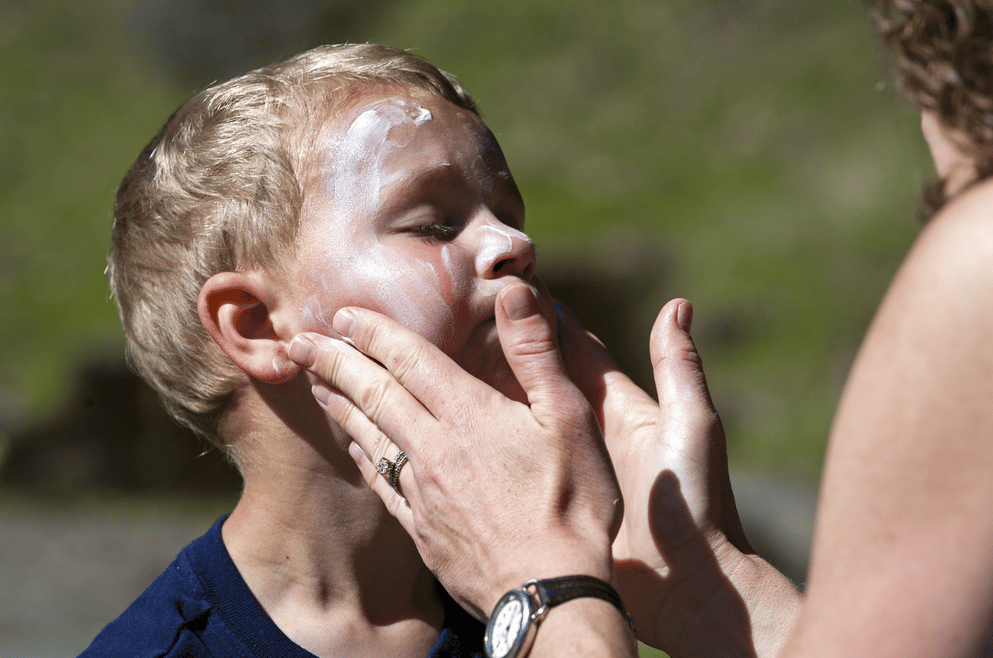
If activities are to take place outdoors then make sure that all of your group are well protected against the sun and its UV rays. This means encouraging the use of sunscreen (making sure to reapply at least every two hours) sunglasses and caps. As caps can raise body temperature, these can be soaked in cool water beforehand.
#5 Reduce the intensity of activities
In periods of extreme heat, it may be necessary to significantly adapt activities, move lessons indoors, postpone events, or, in some cases, cancel them altogether. The safety and wellbeing of pupils and staff should always take priority. Consider factors such as the temperature, availability of shade, access to drinking water, the age of pupils, and the duration of the activity when making decisions.
#6 Recognise the signs of heat exhaustion
It is crucial to remain vigilant, even if you have taken all necessary measures, as certain children may have varying reactions to hot weather. Keep a lookout for indicators of heat exhaustion and respond swiftly if any are observed. These are:
- Dizziness / Fainting
- Excessive sweating
- Muscle cramps and fatigue
- Nausea / vomiting
- Intense thirst
- Rapid, weak pulse
- Pale, cold, clammy skin
We encourage you to continue teaching PE outdoors during warmer weather, as children eagerly await the opportunity to run, play and be active. Bringing hats, drinks and suncream can help pupils stay safe and comfortable, and schools may wish to remind parents and carers to apply suncream before the school day and provide a top-up if needed.
If you are organising sports days or other outdoor events, ensure there are shaded areas available for rest, plenty of opportunities to drink water, and regular breaks from activity. However, during periods of extreme heat, it may be appropriate to modify activities, move them indoors, postpone them, or cancel them altogether. The health and safety of pupils and staff should always be the primary consideration.
Thanks for reading – we hope you've found these points useful. Stay safe and enjoy the summer months!