Cricket Activity Guide
Activity Overview
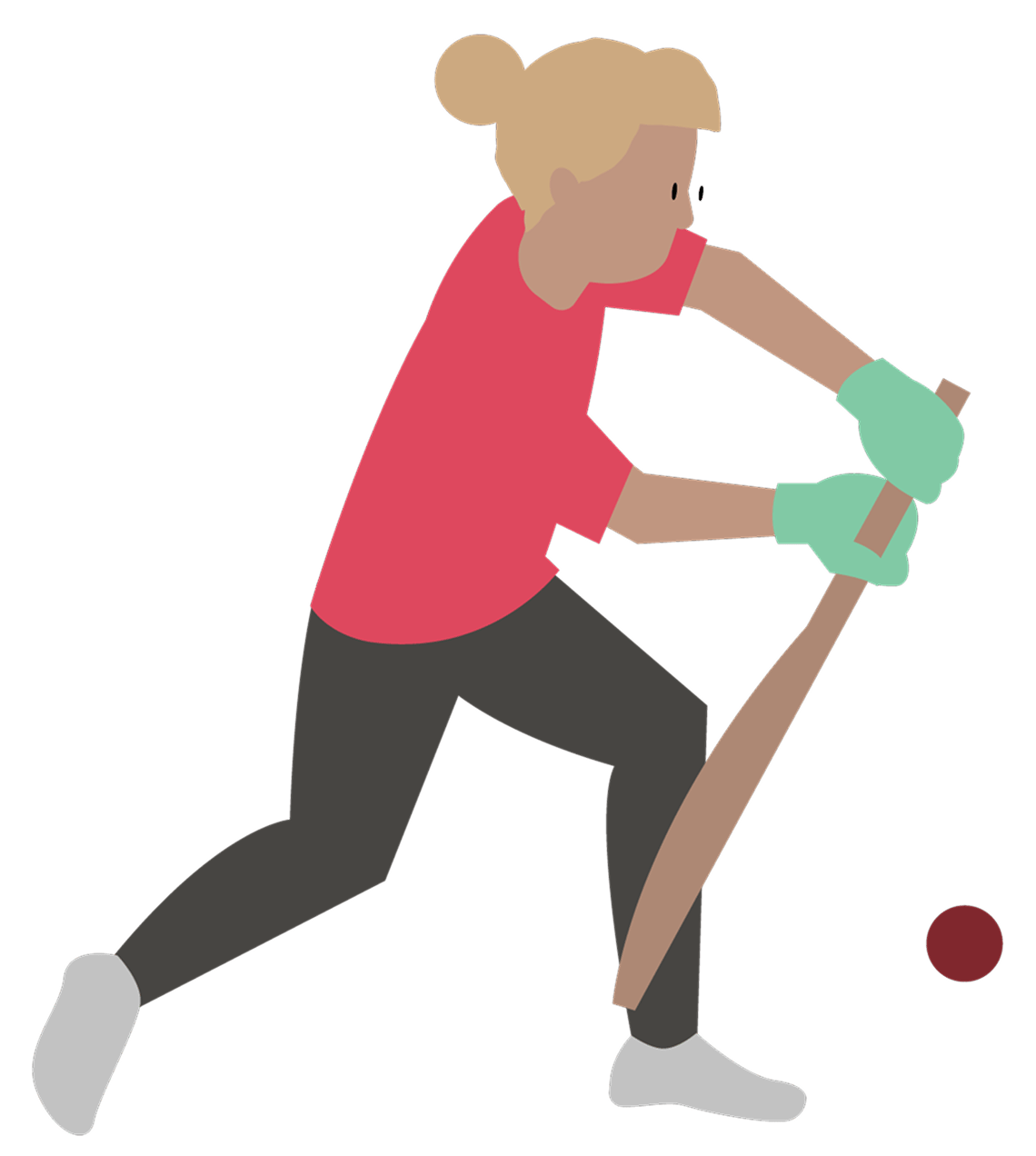
Cricket in Primary PE introduces pupils to striking, catching, throwing and decision-making skills through simple and adaptable games. Early KS1 cricket lessons usually focus on basic batting technique using a cone, alongside throwing and catching in pairs or small groups. As pupils progress through KS1 they will begin to develop an understanding of various roles and techniques involved in the game, including bowling, wicketkeeping and batting.
As pupils progress into Key Stage 2 they begin to apply these skills in game situations, such as learning how to place the ball when batting, when to run, and how to work together in the field to stop runs and get batters out. Common KS2 activities include striking drills, catching circuits, fielding challenges and small-sided games such as pairs cricket that keep all pupils involved and active.
Below you will find key information on Cricket and a range of free resources suitable for teaching Cricket to Key Stage 1 and Key Stage 2 pupils.
Key Cricket Information
Age Range
Cricket and Cricket skills are taught to children in Key Stages 1 and 2 through our Hit Catch Run and Cricket units.
❌ Foundation/Reception
✅ Key Stage 1
✅ Key Stage 2
Non Stop Cricket Rules
This non stop cricket rules resource provides a comprehensive guide for teachers and PE leaders to the rules of non-stop cricket. Available as a downloadable PDF file.
Cricket Glossary
Cricket is a traditional sport and there is a large variety of terminology. This cricket glossary resource comprehensively covers the meaning of key terms. Available as a downloadable PDF file.
Cricket FAQs
Is cricket part of the primary PE national curriculum?
Cricket is not named specifically in the national curriculum, but it is commonly used to meet requirements at both Key Stage 1 and Key Stage 2. At KS1, it helps pupils develop basic skills such as throwing and catching, while at KS2 it supports the delivery of competitive games involving striking, fielding and teamwork.
Is cricket taught at Key Stage 1?
In KS1, cricket skills are usually taught through simple, adapted activities rather than full games. Lessons focus on basic batting using a tee or drop feed, along with throwing and catching in pairs or small groups, helping pupils build confidence and understand the basic roles within the game.
What skills do pupils learn in KS2 cricket?
In KS2, pupils apply the skills they have acquired at KS1 to structured game situations. This includes striking the ball with control, deciding when to run, accurate throwing and catching, and working together in the field to stop runs and get batters out. Pupils also develop an understanding of roles such as batter, bowler and wicket keeper.
What equipment do I need to teach primary PE cricket?
A basic cricket setup includes bats, balls (often softer training balls), cones or markers for boundaries, and stumps or targets. Many KS1 lessons use tees or drop feeds to support batting, while KS2 activities can be adapted to small spaces using simplified equipment and small-sided games.
Access all our cricket
lesson plans today
Sign up for a subscription to The PE Hub to access all our cricket lesson plans, covering KS1 & KS2