PE Tag Games for Primary School
Primary PE tag games are a firm favourite in schools - and for good reason. They’re fast-paced, high-energy and easy to adapt for different ages and abilities. These fun and engaging tag games get children moving, thinking and working together, all while enjoying being active. Suitable for both Key Stage 1 and Key Stage 2, primary PE tag games are a simple and effective way to develop physical literacy, build confidence and maximise activity time in every lesson.
Benefits of Tag Games in PE
Improve Cardiovascular Fitness
Tag games involve continuous movement, making them ideal for building stamina and endurance. The quick bursts of speed required in primary PE tag games help pupils develop agility, acceleration, and overall fitness that are used across all three different types of activity in PE.
Develop Fundamental Movement Skills
Dodging, sprinting, stopping, turning, and reacting quickly all feature heavily in fun tag games for primary PE. These movements support the development of key fundamental skills essential for long-term physical development in primary-aged children.
Promote Teamwork and Communication
Many primary PE tag games encourage cooperation, teamwork, and tactical thinking. Pupils experience and learn how to communicate, support teammates, and make decisions under pressure.
Top Tag Games for Primary Schools
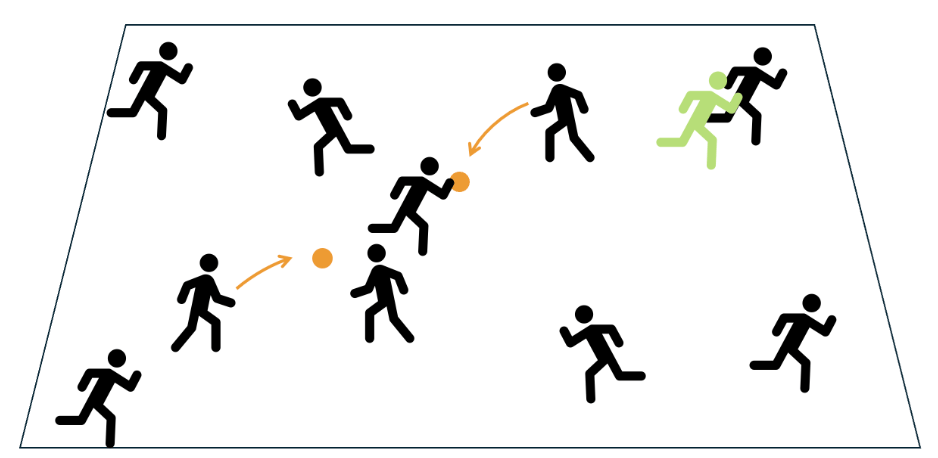
Ball Tag – The objective of the game is to avoid being tagged by the tagger.
Set up:
· Split the class in half and have two games of 15.
· Each group has one person who is the ‘tagger.
· Each group has two tennis balls.
How to play:
· Players holding a ball cannot be tagged.
· Players pass the ball to protect teammates.
· If tagged, players must freeze.
· Game ends when only the 2 players with balls remain unfrozen.
Extension:
· Tagged players become taggers.
· Players can release teammates who are frozen by giving them a high five.
10-Second Tag – Practice quick movement, reaction time and agility.
Set up:
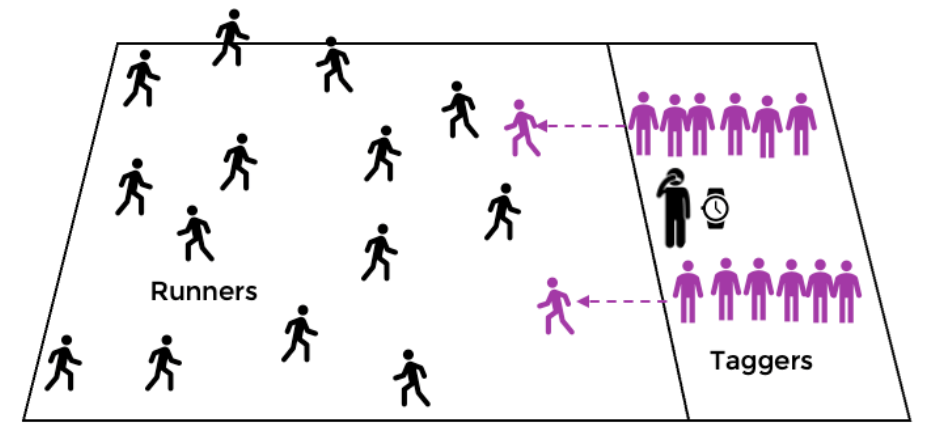
· Split the class into two groups, runners and taggers.
· Divide the taggers into two lines, facing the playing area.
How to play:
· On the whistle, two taggers (front of each line) run into the playing area and have 10 seconds to tag as many runners as possible.
· Tagged runners leave the area and join the back of a tagging line.
· After 10 seconds, the teacher blows the whistle again.
· New taggers run in, and previous taggers become runners and stay in the game.
· Continue this rotation for as long as desired.
Extension:
· Divide into more tagging lines (3 or 4) to increase the number of taggers per round and rotate play more quickly
Question Tag
Set up:
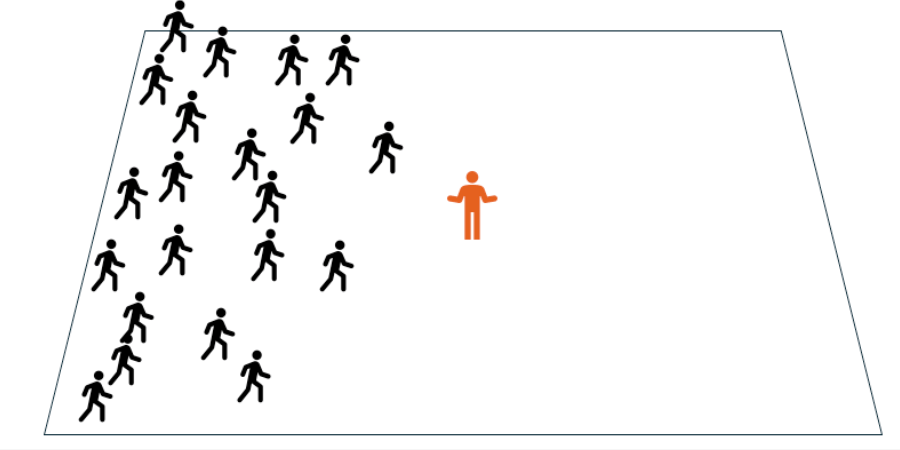
· Set all pupils along one side of the hall or playground.
· You stand in the middle as the first tagger.
How to play:
· Explain you will ask a question.
· If the statement is true for them, they must run to the opposite side without being tagged.
· When pupils run, try to tag them before they reach the other side.
· Anyone tagged becomes a tagger and joins you in the middle.
· Continue asking new questions, alternating the direction pupils run each round.
· As more pupils are tagged, the tagging group grows, and it becomes harder to get across.
Click here to view our free Year 6 OAA Lesson 4 lesson plan.
Safety Guidelines for Tag Games
Create a Safe Playing Space
Make sure to check surfaces, boundaries, and equipment before starting. Children should understand where they can run and should always be aware of others to avoid collisions during primary PE tag games.
Teach Safe Tagging Techniques
Children must be clear that, when tagging, they use an open hand and tag on the shoulders or back. Tags should be firm enough to feel, but never a push or slap. Avoid tagging near walls or equipment to reduce risk.
Monitor Pupil Behaviour and Fatigue
Ensure regular drink breaks and watch for signs of overheating or overly competitive behaviour. For more guidance on managing activity levels, see our PE Games for Warm Weather blog.
For more ideas of games to play in your PE Lesson, check out our Throwing Games for PE blog.