
5 Key Principles of Invasion Games Every Primary PE Teacher Should Know
When teaching invasion games in primary PE, understanding the principles of play can dramatically improve your pupils’ ability to perform, think tactically, and enjoy the game.
Whether you're delivering lessons in football, netball, basketball, or hockey, applying these game principles helps pupils learn the how and why of their actions, not just the what.
Here are five essential principles of invasion games to guide your next unit.
1. Width in Attack
Spreading attackers across the width of the pitch forces defenders to stretch their shape, creating gaps to exploit. This opens up passing lanes and encourages strategic movement.
Teaching tip: Use zones or cones to show players how to stretch wide, even without the ball.
2. Width in Defence
Defenders must spread across the pitch to counter wide attacking players, covering passing lanes and reducing space.
Defensive strategy: Train players to communicate and maintain their shape as attackers shift side to side. This reinforces key defensive strategies in invasion games.
3. Depth in Attack
When a player attacks, a teammate should support behind them. If a shot or forward pass is not possible, the ball can be safely passed back, creating a new opportunity.
Game principle in action: Encourage players to always offer a “safe pass” option behind the play to maintain attacking pressure.
4. Delay in Defence
Defenders aim to slow down the opposition’s attack by positioning themselves in front of the attacker, between them and the goal. This buys time for the rest of the defence to organise.
Primary principles focus: Teach positioning and decision-making rather than just chasing the ball. This helps pupils understand when to engage and when to delay.
5. Depth in Defence
Defensive support is crucial. A second defender, slightly behind the first, acts as cover in case the attacker beats the first line.
Support strategy: Set up 2v1 defensive drills where players practise switching between first and second defender roles.
How to Use These Principles in PE
When teaching, structure lessons around these principles, guide questioning, and scaffold tactics. Examples include:
· Highlight depth in attack when pupils struggle to pass forward.
· Revisit width and delay in defence when teams get overrun easily.
· Reinforce principles through mini-games and encourage pupils to evaluate their performance.
Teaching gameplay through these principles ensures pupils don’t just play - they understand.
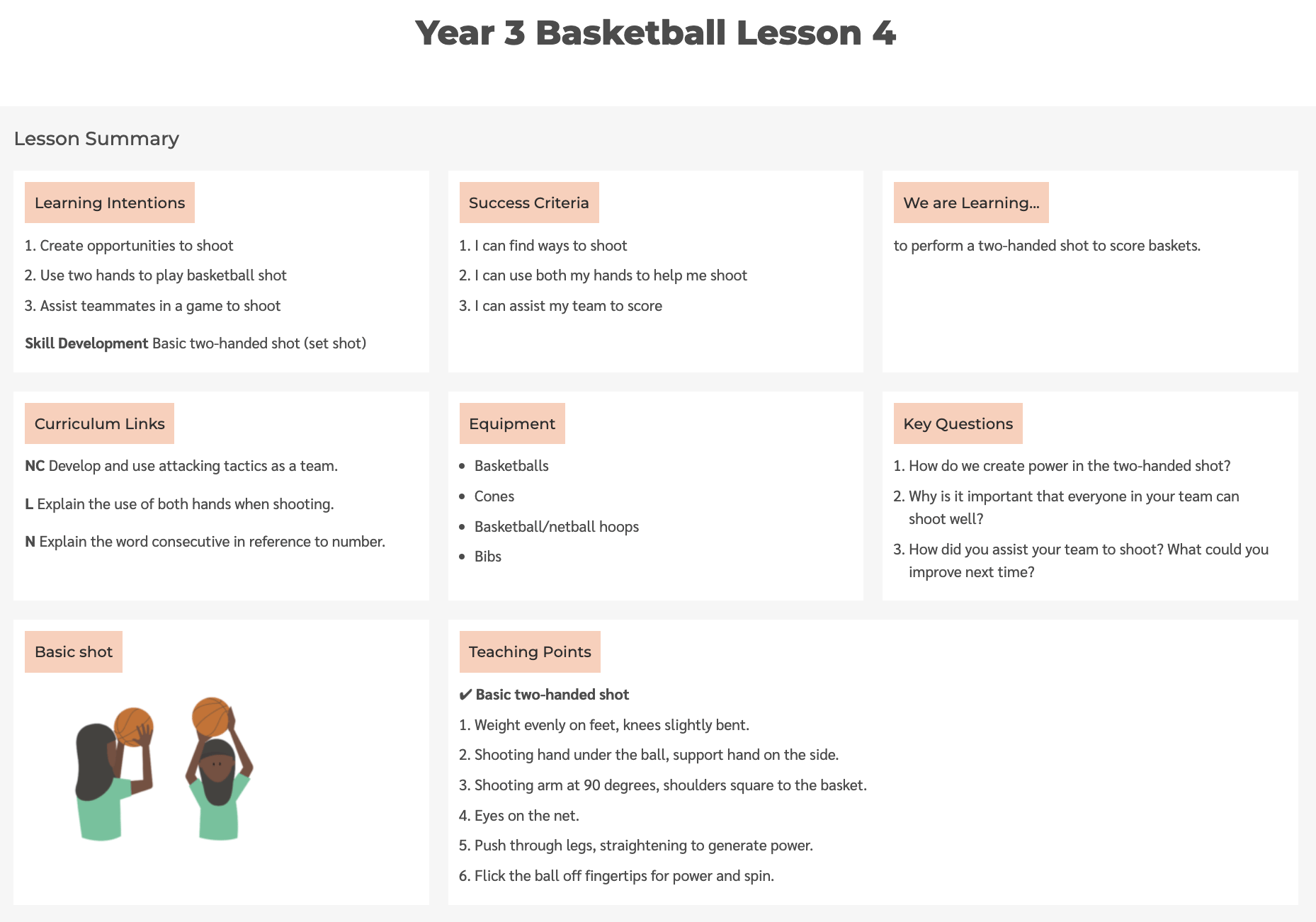
Try a Free Lesson: See these principles in action with a basketball lesson focusing on depth in attack, helping pupils develop tactical thinking.
Final Thoughts
Embedding the principles of play into your invasion games lessons makes it easier to differentiate, explain tactics, and build confident, strategic players. These strategies aren’t just for older pupils. When introduced appropriately, even Key Stage 1 children can begin to grasp how space, support, and positioning affect gameplay.
For more ideas on teaching invasion games, check out our activity guide.