UPDATED 2026
The Benefits of Swimming for Primary School Children
Swimming is a vital life skill and one of the most valuable activities in the PE curriculum. More than just a way to stay active, swimming builds confidence, improves health, and provides pupils with skills that last a lifetime.
So what are the benefits of swimming for primary pupils? Why are swimming lessons such an important part of the curriculum, and how can you structure a swimming unit plan to maximise impact?
Why Teach Swimming in Primary Schools?
The National Curriculum for PE requires pupils to swim competently, confidently, and proficiently over a distance of at least 25 metres using a variety of strokes and perform safe self-rescue by the end of Key Stage 2.
For more information on the statutory requirements of swimming, you can check out the Swim England website.
However, there are many other benefits to swimming that reach just beyond meeting these statutory requirements.
Key Benefits of Swimming Lessons
1. Safety and Lifesaving Skills
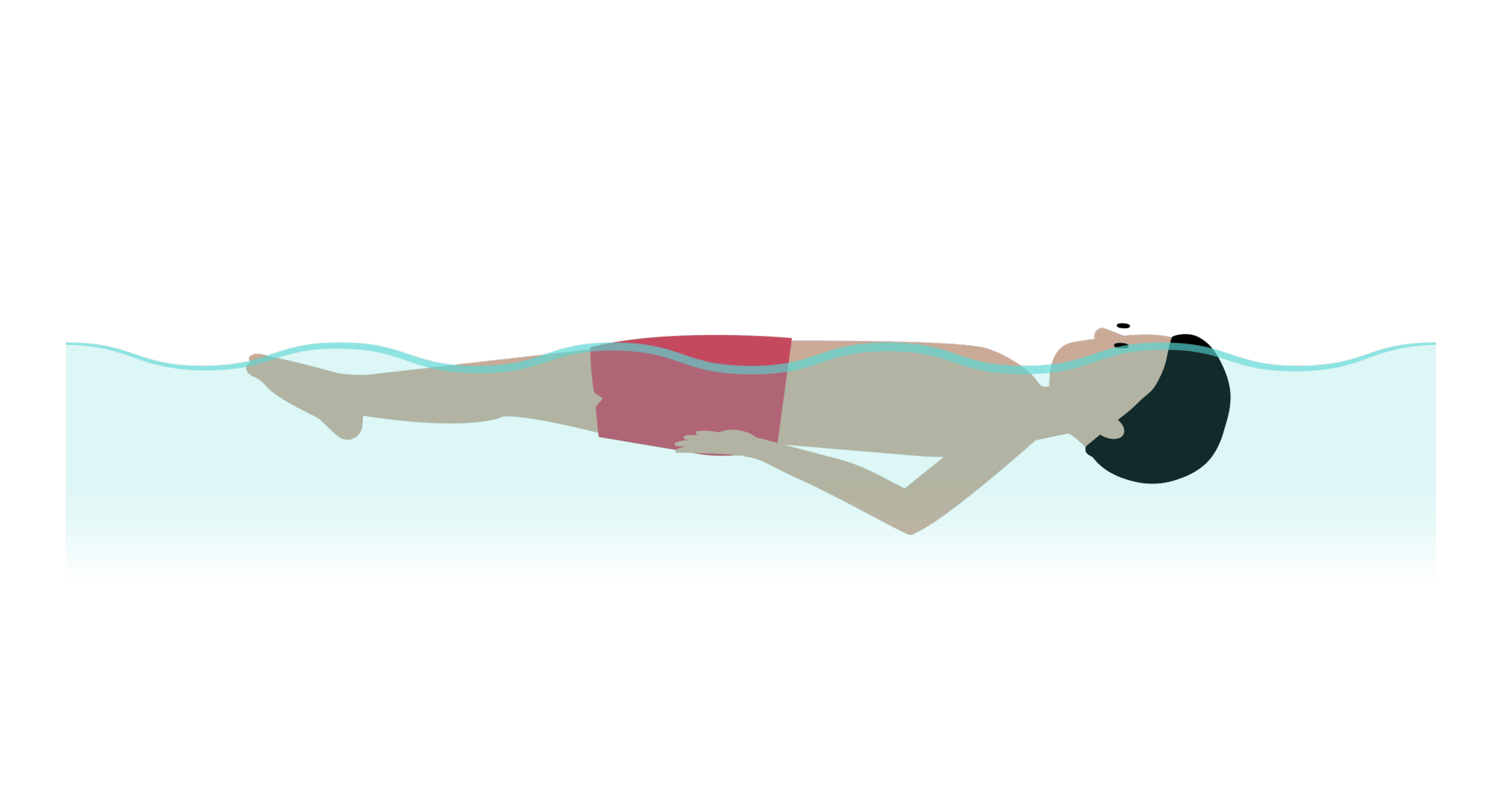
Learning to swim is first and foremost about safety. With around 400 accidental drownings recorded in the UK each year, early swimming lessons help reduce risk by teaching children how to float, tread water, and self-rescue.
2. Building Self-Confidence
For many children, their only experience of swimming is curriculum PE. This is often combined with a natural uncertainty of being in deep water, meaning they feel unsafe.
Overcoming those initial fears gives pupils a huge confidence boost that often transfers into other areas of life and learning.
3. Physical Benefits
Swimming provides a full-body workout that improves cardiovascular health, develops muscular strength and endurance, and enhances flexibility and coordination. Because it is a low-impact activity, it is particularly beneficial for children who may struggle with high-impact exercise on land, making it an inclusive and accessible way for all pupils to stay active and healthy.
4. Lifelong Activity
Unlike many physical activities, swimming is sustainable across all ages. Teaching children to swim at primary school means they have access to exercise they can continue throughout life, supporting long-term health and wellbeing.
Planning a Swimming Unit
A structured swimming unit plan ensures pupils develop their skills step by step.
Explore our swimming activity page for more ideas and lesson content.
You can also check out our free swimming resources and lesson plans to give you more ideas on how to deliver swimming for your school.
Effective units often include:
Water Confidence Activities
Games and basic movement in shallow water.
1. Sharks and Mermaids
· One swimmer is the shark, and all other swimmers are mermaids.
· Ensure all swimmers are in a position to walk across the bottom of the pool.
· The mermaids must travel from one side of the pool and back without being tagged.
· If tagged, they freeze; another mermaid can free them.
· The mermaids win if all return safely.
· The shark wins if all are frozen.
Extension:
Add more sharks, increase distance, or vary movement (e.g. hopping, bouncing).
Stroke Development
Introducing front crawl, backstroke, and breaststroke.
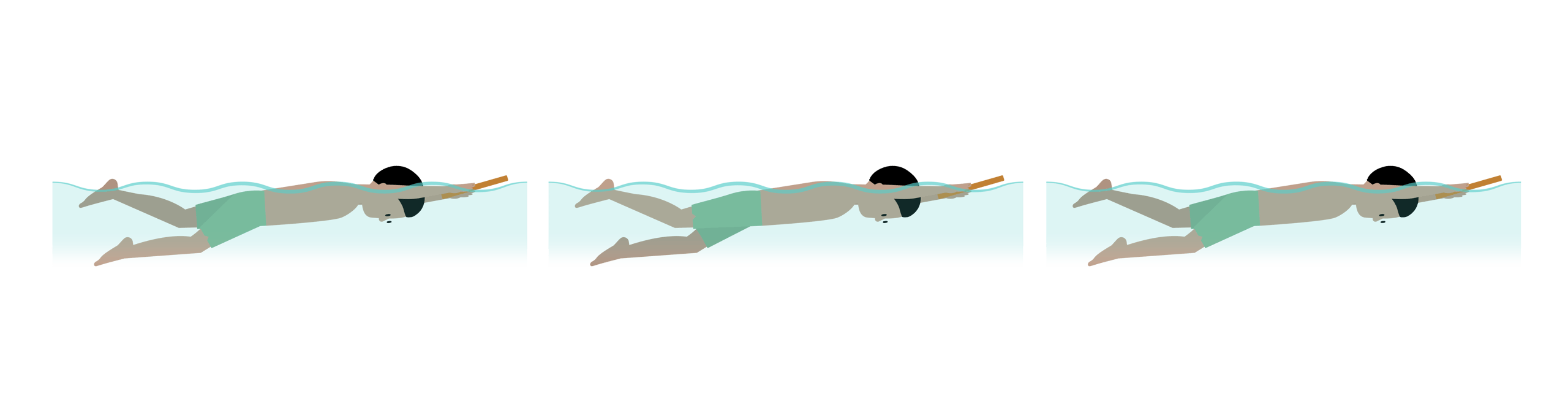
2. Front Crawl Leg Action
· Effective leg action is essential for progression in front crawl and backstroke.
· The main propulsion comes from the legs.
· Leg action should be constant and consistent.
Progressions:
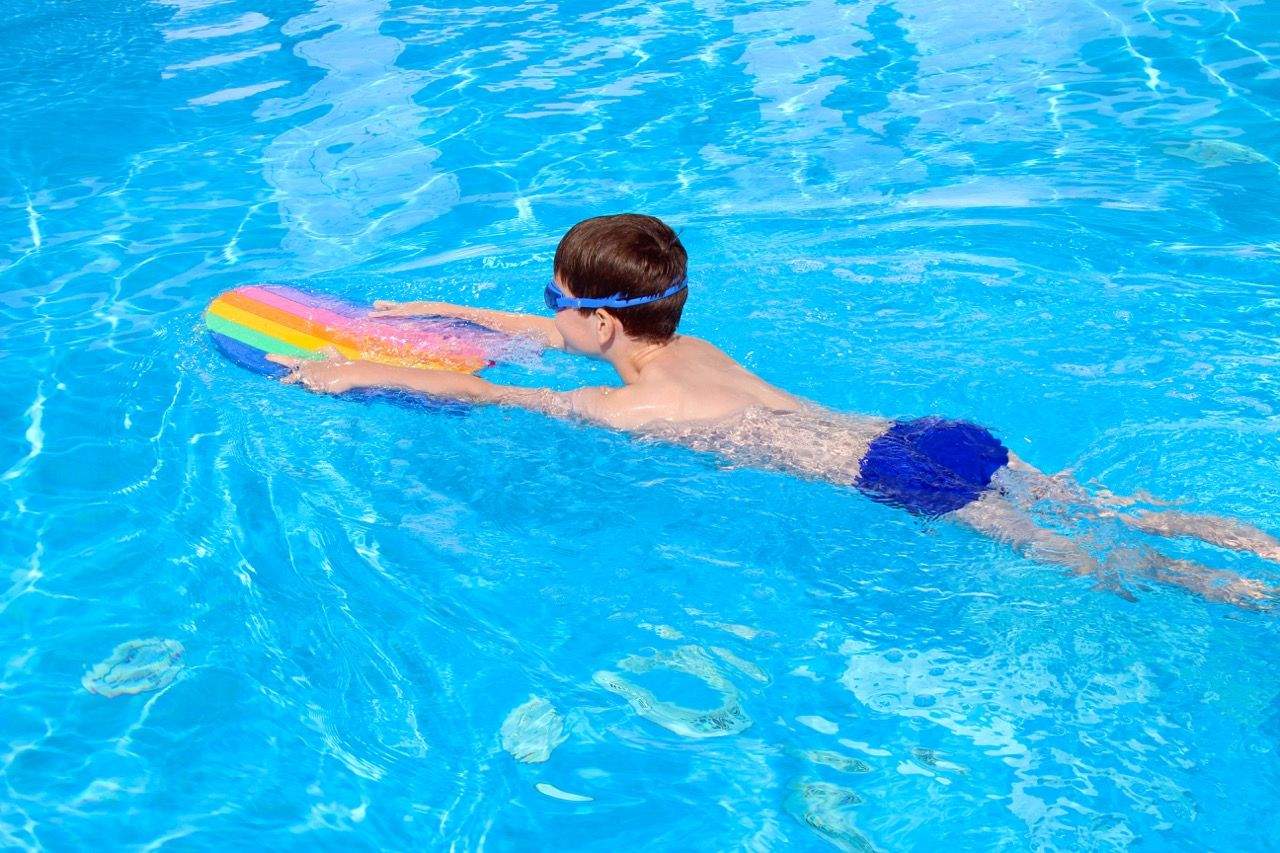
· Float in front held with two hands
· Float with face in the water
· Remove float and extend arms forward independently
Water Safety
Floating, treading water, and rescue skills.
3. Distance Challenge
How fast can you swim 5, 10, and 15 metres?
· Pupils work in groups of 3–4 with a stopwatch.
· Mark distances clearly at the poolside.
· Encourage teamwork and perseverance.
· Pupils take turns swimming each distance using a variety of methods (front crawl, backstroke, sculling, underwater).