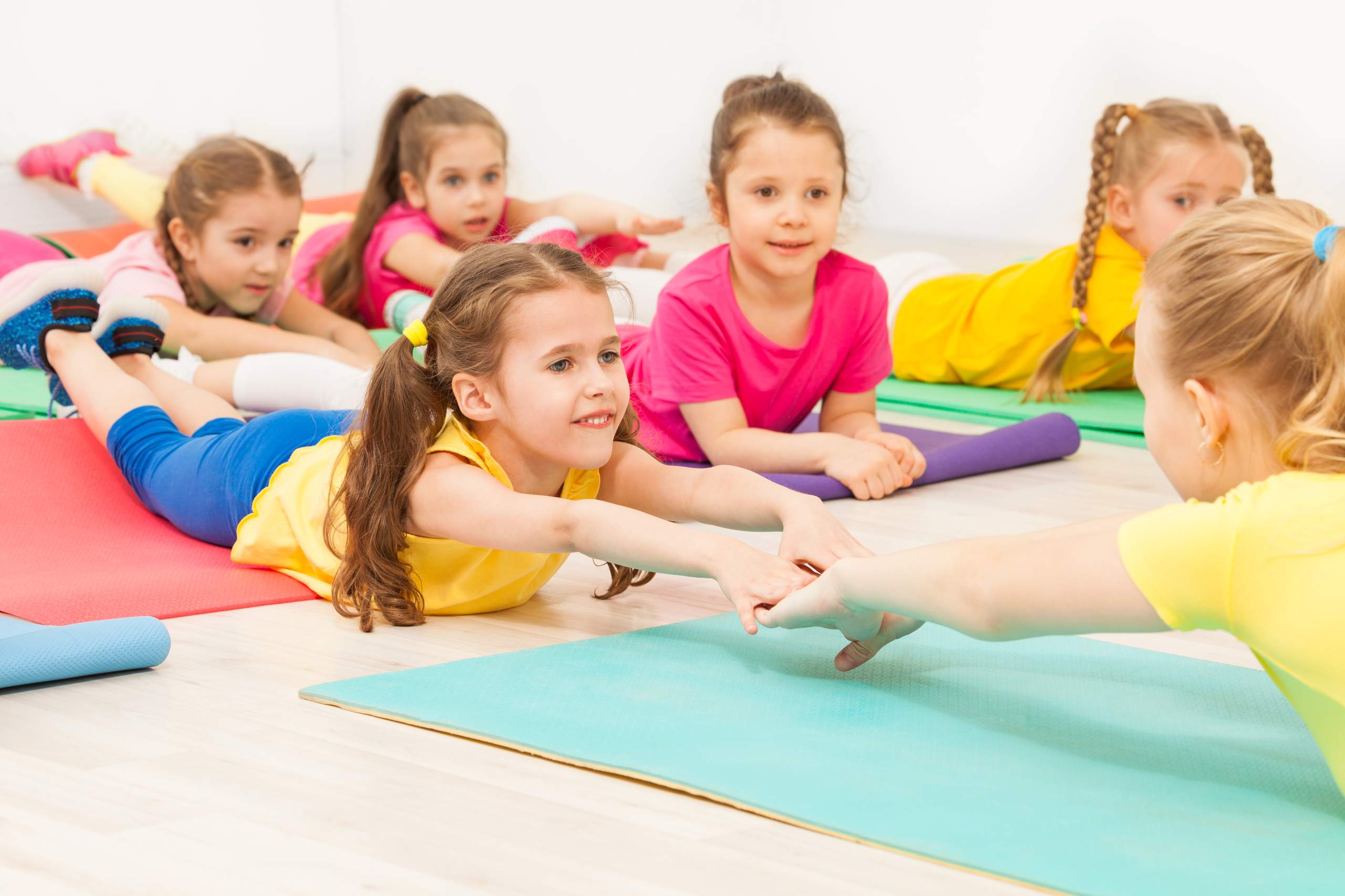
Physical Education plays a vital role in children’s physical, social, and emotional development. Delivering high-quality lessons requires more than just enthusiasm. It calls for thoughtful planning, inclusive approaches, and a toolkit of effective PE teaching strategies to engage all learners.
Engaging PE Teaching Techniques
Keeping children engaged is the foundation of any successful PE lesson. Children engage more when activities are fun, varied, and purposeful.
Use Games-Based Learning
Games provide an easy way to develop skills while keeping children engaged in learning. Rather than using drills, which develop techniques in isolation, embed skills within simple games that encourage movement and decision-making.
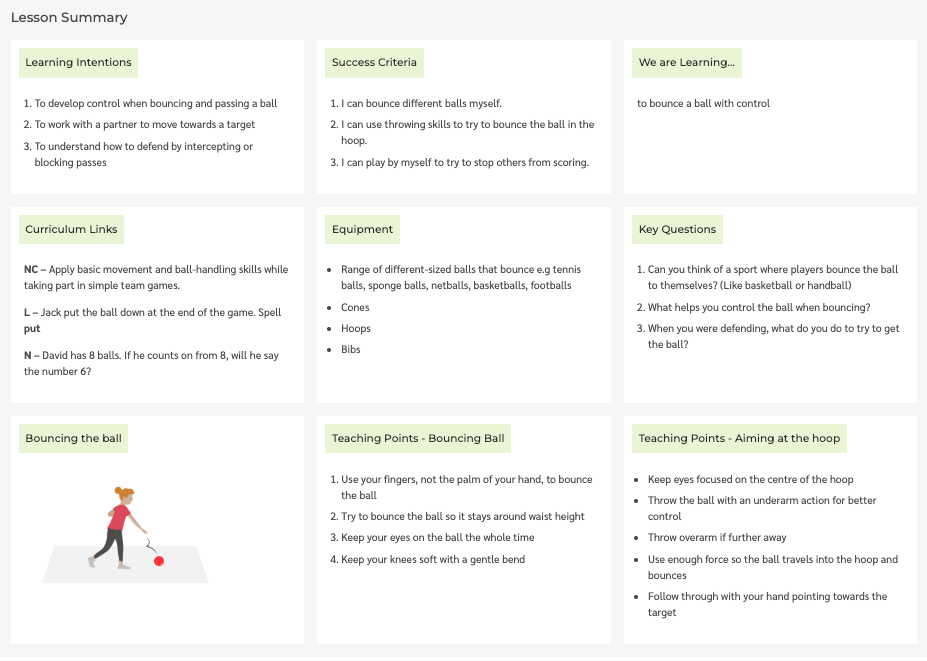
Incorporate Storytelling and Themes
Transforming lessons into adventures is a great way to tap into children’s imaginations and create engagement. These adventures can be based around the interests of children in your class, such as jungle explorations, space missions, or superhero training sessions. This sparks imagination and keeps pupils invested in the activity.
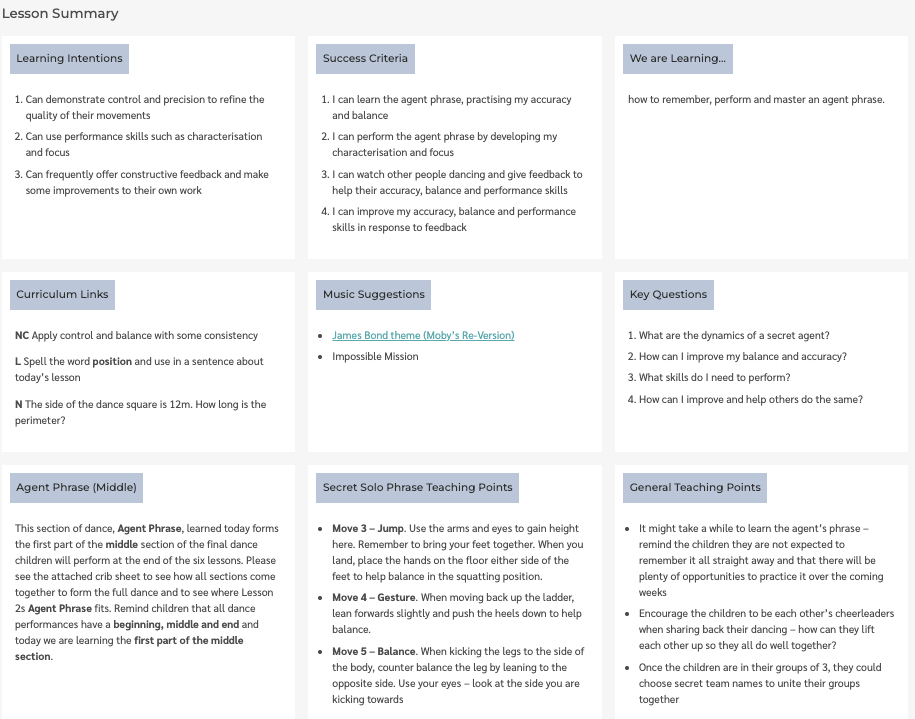
Keep Instructions Short and Active
Children learn best by doing and being active. Try to limit explanations and get pupils moving quickly during lessons. This can be helped by demonstrating visually whenever possible.
Planning for Success - Creative Lesson Planning
Effective planning is at the heart of a successful PE lesson. Ensuring activities are purposeful, engaging, and developmentally appropriate will increase the learning in your lessons. This will start with setting clear learning objectives, so pupils understand what they are working towards, whether that’s mastering a specific movement skill or improving teamwork. Lessons should build progressively, beginning with simple tasks and gradually increasing complexity to challenge all learners while maintaining confidence and enjoyment. Thinking about the available equipment and space is equally important, as it minimises downtime and keeps pupils active throughout the session. For more guidance on structuring lessons effectively, see our related post on How to Teach a PE Lesson.
Keeping PE Classes Interactive
The interactions between teacher and children, as well as between children themselves, are key to maintaining focus and maximising participation in PE lessons.
For good interactions, use open-ended questions such as “How can we make this easier or harder?” or “What helped your team succeed?” This encourages critical thinking and reflection. Rotating roles, such as allowing pupils to lead warm-ups or demonstrate skills, can increase their sense of ownership over their learning, leading to better overall engagement.
Effective Instructional Methods
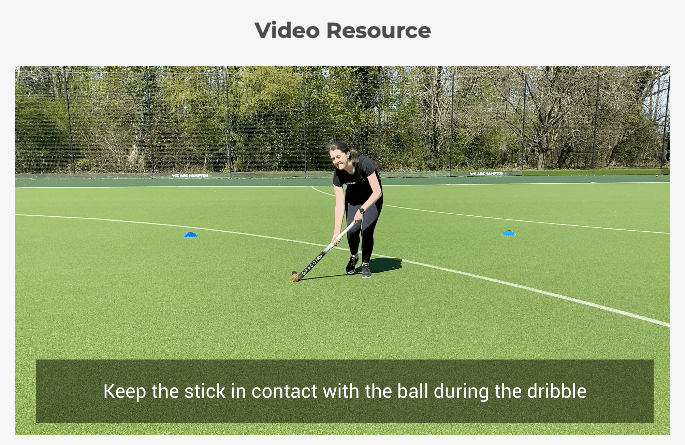
Choosing the right way to give instructions for PE ensures all pupils can access learning effectively. Demonstration and modelling are key, so teachers should clearly show correct techniques using their own examples or a high-quality video to get the key teaching points across.
Differentiation is also essential, with activities adapted to suit varying ability levels by simplifying tasks for beginners and adding challenges for more advanced learners. Our STEP Blog talks about this in more detail.
Inclusive PE Strategies
Inclusive PE ensures every child feels valued and able to participate fully in lessons. This can be achieved by adapting activities for all abilities, such as modifying rules, equipment, or space. Examples include using larger balls or reducing distances to support different needs. For more ideas, check out our adaptable PE blog. It’s also important to promote a safe and supportive environment where respect, teamwork, and encouragement are prioritised, with a focus on celebrating effort over competition.
Motivating Primary School-Aged Students
Motivation to learn is one of the most important PE teaching strategies, with research showing that children are more engaged when they feel competent, autonomous, and connected. Teachers can create a sense of achievement by breaking tasks into achievable steps, so pupils experience success regularly. One way to do this is to offer choices about their learning, such as allowing pupils to select activities or roles. This helps increase ownership and intrinsic motivation over their learning. Building positive relationships is also essential, as a supportive teacher-student dynamic boosts confidence and participation.
Whether you're refining your approach or starting fresh, these physical education teaching strategies provide a solid foundation for delivering engaging and impactful PE lessons.