Gymnastics Activity Guide
Activity Overview
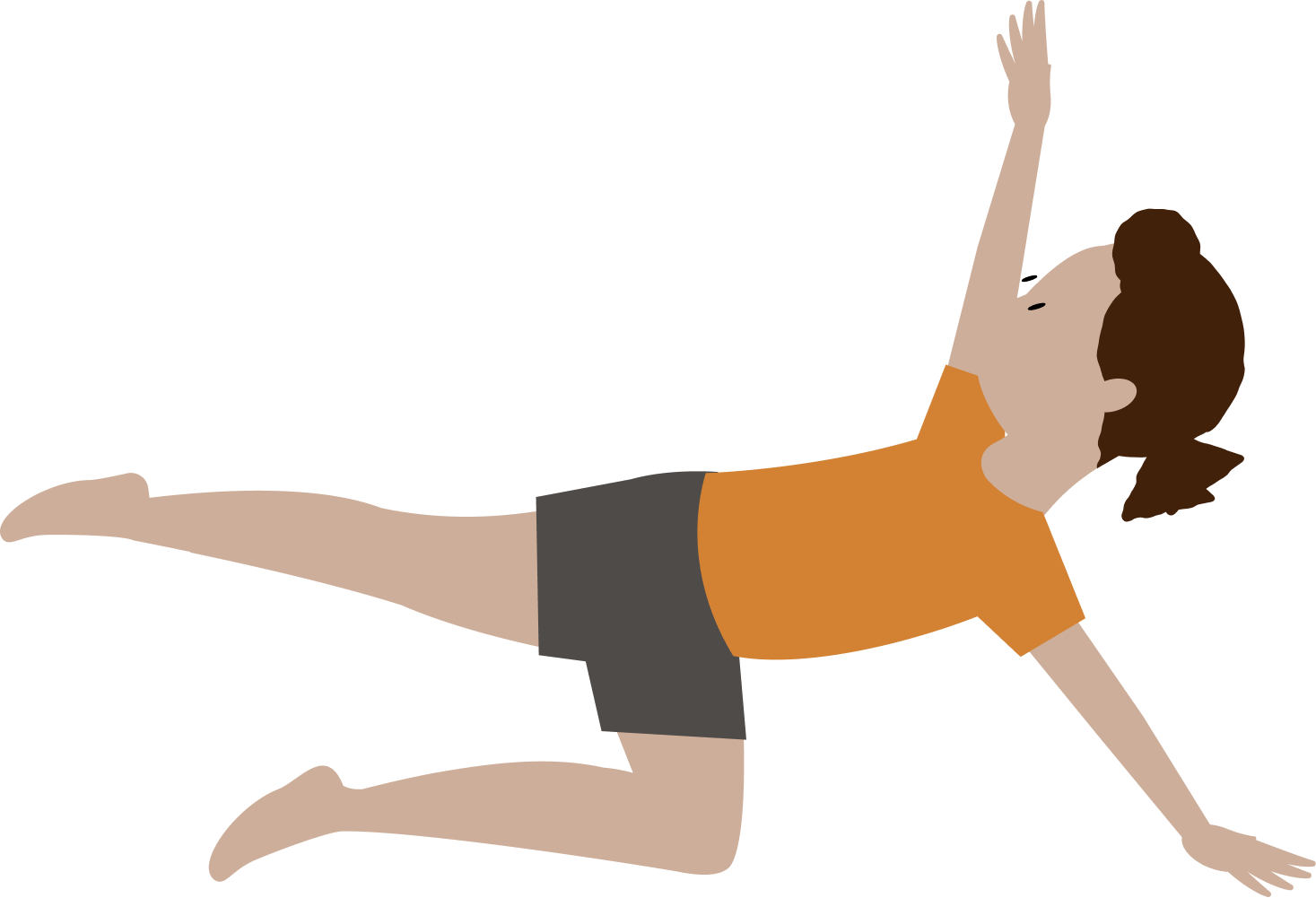
Gymnastics in UK primary schools plays a key role in developing children’s physical abilities, including strength, flexibility, balance, and coordination. Taught through engaging and structured lessons, it introduces fundamental movement skills in a safe and inclusive environment. Gymnastics also nurtures confidence, creativity, and resilience, while encouraging enjoyment of physical activity. Gymnastics supports wider health and wellbeing goals, helping children build lifelong habits of fitness, focus, and self-expression.
Below you'll find key information on the gymnastics activity, two free gymnastics key stage 2 lesson plans, and a range of free gymnastics resources suitable for teaching at Foundation, Key Stage 1 and Key Stage 2.
Key Gymnastics Information
Age Range
Gymnastics is commonly taught across each of the key Primary School stages.
✅ Foundation
✅ Key Stage 1
✅ Key Stage 2
Glossary
Gymnastics has an extensive glossary of terms. We’ve produced a single resource for teachers outlining everything you need to know. Our glossary is also available as a PDF for easy downloading and printing.
Free Gymnastics Lesson Plans & Units of Work
Year 4 Gymnastics Unit 1
Become increasingly competent and confident to perform skills more consistently. Perform in time with a partner and group. Use compositional ideas in sequences.
Year 4 Gymnastics Unit 1 Lesson 6
- Enhance existing sequence and perform it to be judged
- Use a judging system to evaluate a group sequence
- Compare and contrast group performances
We are learning: to judge and compare performances
Activity: Judge and improve
Year 6 Gymnastics Unit 1
Experience flight on and off high apparatus. Develop and perform a range of partner balances. Use equipment and formations confidently in a rhythmic gymnastics style sequence.
Year 6 Gymnastics Unit 1 Lesson 1
- Use a run up and hurdle step to vault onto the box top
- As a pair, complete a six-element sequence containing flight, contrasting shapes, and counterbalances
We are learning: to use controlled flight onto high apparatus
Activity: Assessment for learning
Paid Subscriber Content
At the The PE Hub, we offer 80 lesson plans for Gymnastics, spanning Foundation Stage, KS1 and KS2. Lesson Plans are grouped into manageable units of work and designed to make it straightforward to teach a holistic gymnastics curriculum.
All our lesson plans come with detailed downloadable resources as standard. We have more than 170 resources for gymnastics.
Also available for a small additional annual fee is our Gym Elevate programme. Developed in partnership with RB Gym & Sport, the programme gives subscribers to The PE Hub access to an additional 72 lesson plans and 140 teaching resources, developed by experienced gymnastics coaches.
Gymnastics FAQs
Is primary PE gymnastics a core subject?
Gymnastics isn't a core subject at Foundation, Key Stage 1 or Key Stage 2. However teaching gymnastics as part of a varied curriculum may help schools meet the general goals specified at each stage, e.g. Experience agility, balance and coordination, individually and with others. at Key Stage 1.
Is gymnastics commonly taught at Foundation / Reception level?
Yes, gymnastics is commonly taught to Foundation / Reception aged children. Typical teaching goals for Foundation / Reception Gymnastics are clear, simple to achieve and tailored to this age cohort - e.g. develop confidence in fundamental movements, develop coordination and gross motor skills.
What equipment is required to teach gymnastics?
Teaching a comprehensive gymnastics programme requires more specialised equipment than some other activities, e.g. rounders. Basic equipment to get started safely includes gym mats, benches (for balancing, jumping and linking movements), small soft shapes (e.g. foam blocks / wedges to assist in basic rolls) and cones & markers for station setup and movement guidance.
How do primary-school aged children benefit from gymnastics?
Gymnastics is a true all-rounder activity. Typical benefits from teaching Foundation, KS1 and KS2 children gymnastics include improved strength and co-ordination, increased focus and self-discipline and the ability to successfully perform in front of a peer group.
Access all our gymnastics
lesson plans today
Sign up for a subscription to The PE Hub to access all our gymnastics lesson plans, covering Foundation, KS1 and KS2