
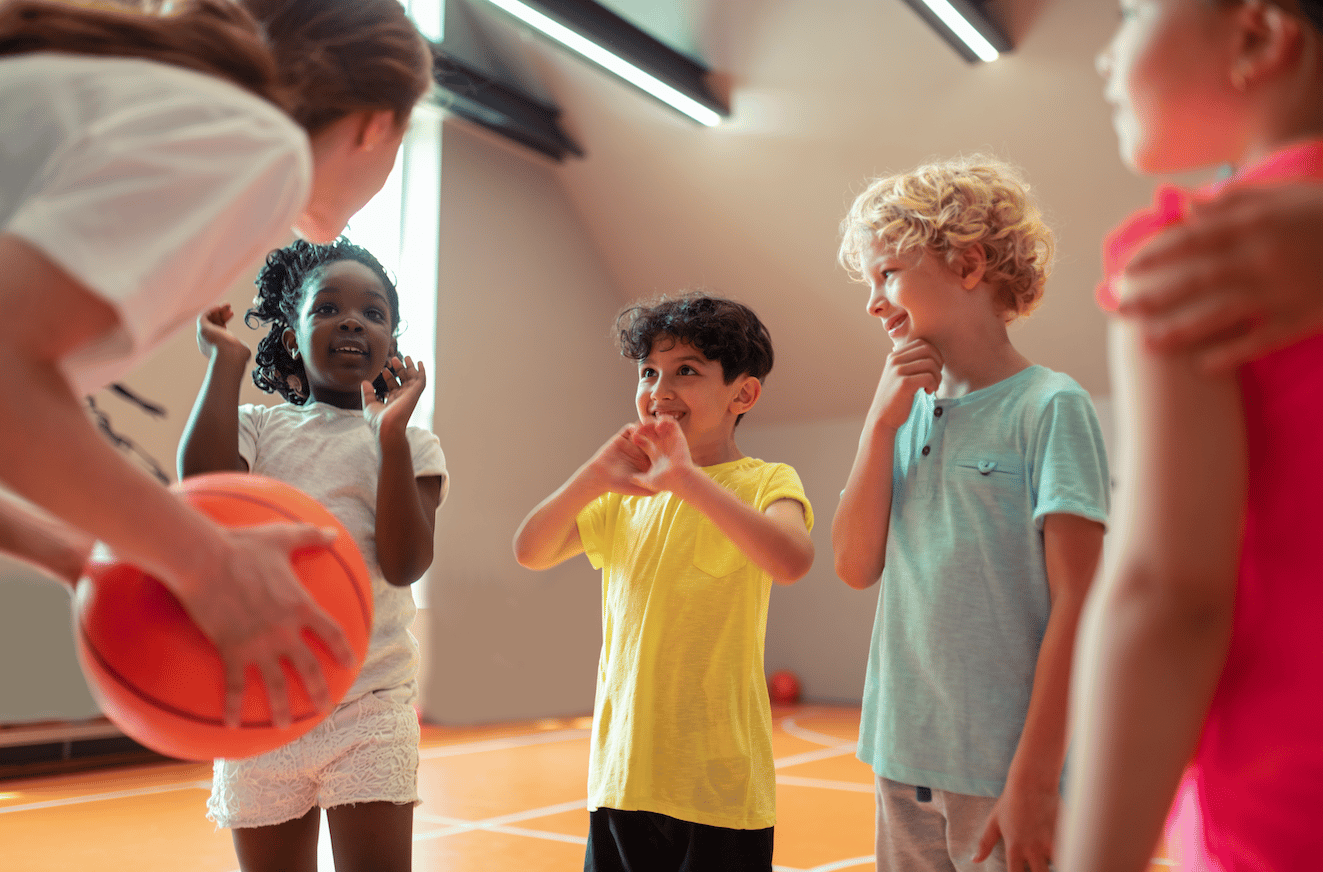
Physical Education plays a vital role in shaping children's overall development in primary schools. Beyond simply encouraging movement, PE education builds confidence, supports wellbeing, and enhances learning across the curriculum. For educators, school leaders, and trainee teachers, understanding the roots, purpose, and delivery of PE is essential for creating meaningful and engaging experiences for young learners.
The History of PE
The history of physical education is rooted in the idea that physical fitness is as important as intellectual development.
Early forms of structured physical activity can be seen in ancient civilisations. In Ancient Greece, physical training was central to education, particularly in preparation for athletic competitions and military service. Similarly, in Ancient Rome, physical training strengthened discipline and prepared soldiers for battle.
Modern PE education began to take shape in the 18th and 19th centuries. Influential educators such as Friedrich Jahn in Germany and Per Henrik Ling in Sweden developed systems of gymnastics designed to improve health and physical capability. These systems laid the foundation for structured PE lessons in schools.
In the UK, PE became more formalised during the late 19th and early 20th centuries, initially focusing on drills and military-style exercises. Over time, this evolved into a broader curriculum that includes games, dance, athletics, and outdoor education.
For a deeper historical perspective, resources such as the Association for Physical Education provide valuable insights into the evolution of PE in schools.
Importance of PE
PE education is a core component of a well-rounded primary school curriculum. It supports not only physical development but also cognitive, emotional, and social growth.
Regular physical activity helps children develop fundamental movement skills such as running, jumping, throwing, and catching. These skills form the building blocks for lifelong participation in sport and physical activity.
PE also contributes to improved concentration and academic performance. Studies from organisations such as NHS England highlight the link between physical activity and improved brain function, including memory and attention.
Additionally, PE fosters important life skills such as teamwork, resilience, leadership, and communication. These are qualities that benefit children far beyond the classroom.
PE Curriculum in Primary Schools
The primary PE curriculum is designed to provide children with a broad and balanced experience of physical activity.
In England, the National Curriculum for PE focuses on:
- Developing competence in a range of physical activities
- Engaging in competitive sports and activities
- Leading healthy, active lives
Schools typically deliver PE through a mix of:
- Games (e.g. football, netball, cricket)
- Gymnastics
- Dance
- Athletics
- Outdoor and adventurous activities
High-quality PE lessons should be inclusive, progressive, and tailored to the needs of all pupils. Teachers are encouraged to differentiate activities to ensure every child can participate and succeed. You can find more ideas about adaptive PE in our blog.
Benefits of PE for Children
The benefits of PE education are endless and have a wide range of impacts on multiple areas of a child’s development. These include:
Physical health:
Regular activity improves cardiovascular fitness, strength, flexibility, and coordination. It also helps combat childhood obesity and promotes healthy habits from an early age.
Mental wellbeing:
PE can reduce stress, anxiety, and symptoms of low mood. Physical activity releases endorphins, helping children feel happier and more relaxed.
Social development:
Through teamwork and group activities, children learn how to cooperate, communicate, and resolve conflicts.
Confidence and self-esteem:
Achieving success in physical activities, whether mastering a new skill or contributing to a team, boosts self-confidence.
Academic performance:
Active children are often more focused and engaged in the classroom, supporting overall learning outcomes.
Engaging Children in PE
Engagement is key to successful PE lessons, particularly in primary schools where children’s motivation can vary widely.
To engage pupils effectively:
- Provide variety: Rotate activities to maintain interest and excitement
- Offer choice: Allow children to make decisions about activities where possible
- Set achievable challenges: Ensure tasks are appropriately pitched
- Use positive reinforcement: Celebrate effort as well as achievement
- Create an inclusive environment: Ensure all children feel valued and capable
Understanding individual needs and preferences is crucial. Some children may thrive in competitive settings, while others may prefer creative or cooperative activities.
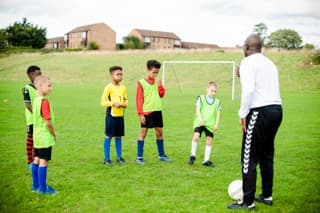
Making PE Lessons Fun
Fun is a powerful driver of participation. When children enjoy PE, they are more likely to stay active both in and out of school.
Here are some ways to make PE lessons more enjoyable:
- Incorporate games-based learning: Turn skill development into fun challenges or mini-games like in this Year 3 Basketball Lesson.
- Use imaginative themes: For younger pupils, storytelling or themed activities can enhance engagement, such as this Year 2 Dance Lesson.
- Include music and movement: Dance and rhythm-based activities can appeal to a wide range of learners.
- Keep instructions simple: Maximise active time and minimise waiting
- Encourage creativity: Allow children to invent games or routines
A positive, energetic teaching style can also significantly affect how children perceive PE. For more ideas on activities to make you PE fun, check out our blogs on Tag Games and Throwing Games.
PE Activities for Primary Schools
A well-rounded PE programme includes a variety of activities that develop different skills and interests.
Fundamental movement activities:
- Obstacle courses
- Relay races
- Balance and coordination tasks
- Modified team sports (e.g. small-sided football or netball)
- Target games (e.g. throwing and aiming activities)
- Floor routines
- Balancing and sequencing movements
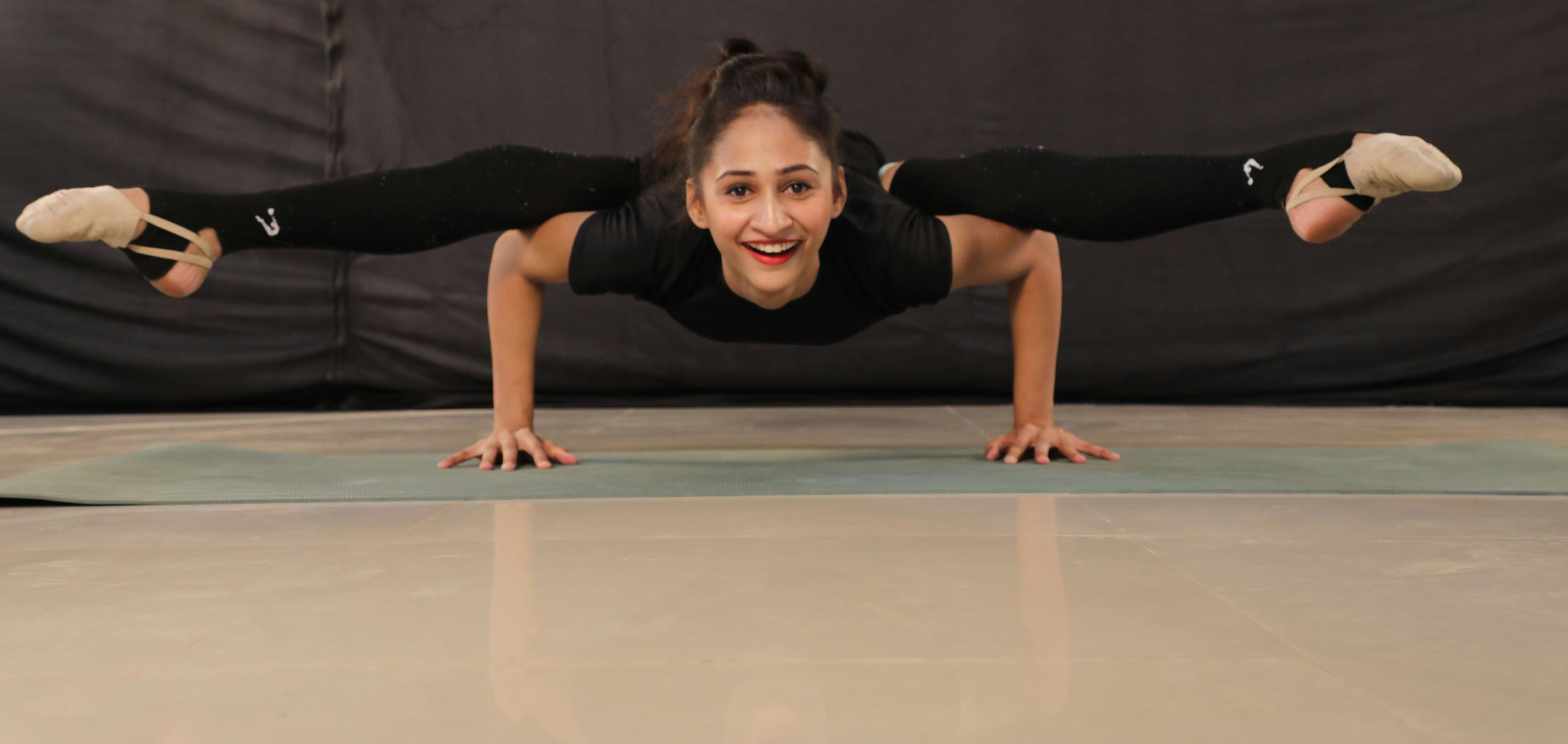
- Creative movement
- Cultural or themed dances
Outdoor and adventurous activities:
- Orienteering
- Problem-solving challenges
- Team-building exercises
Adapting activities to suit different abilities ensures that all children can participate meaningfully. PE education is far more than just physical activity. It is a powerful tool for enhancing the primary school experience. From its historical roots to its modern-day curriculum, PE plays a critical role in supporting children’s physical health, mental well-being, and personal development. For educators and school leaders, investing in high-quality PE provision can have lasting benefits for pupils. For trainee teachers, developing confidence in delivering engaging and inclusive PE lessons is an essential step toward creating positive learning environments. By prioritising fun, inclusivity, and skill development, PE can inspire a lifelong love of movement and help young learners thrive both in and out of the classroom.